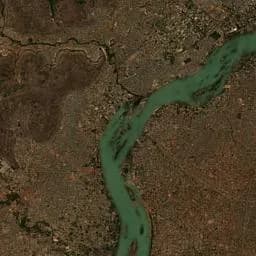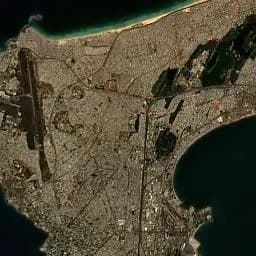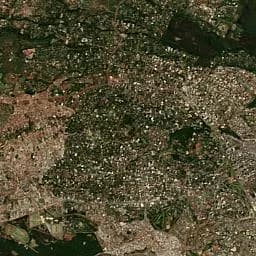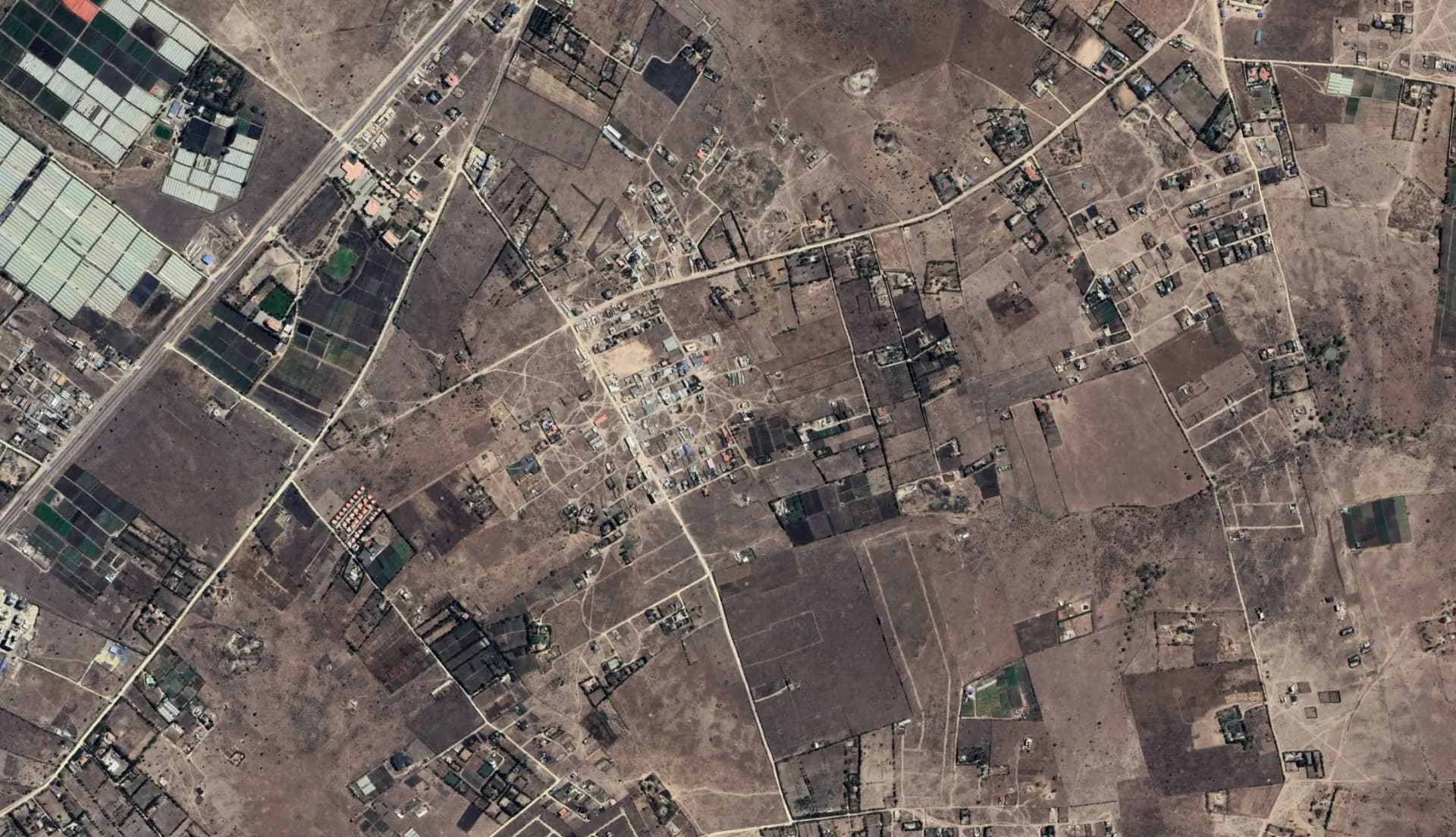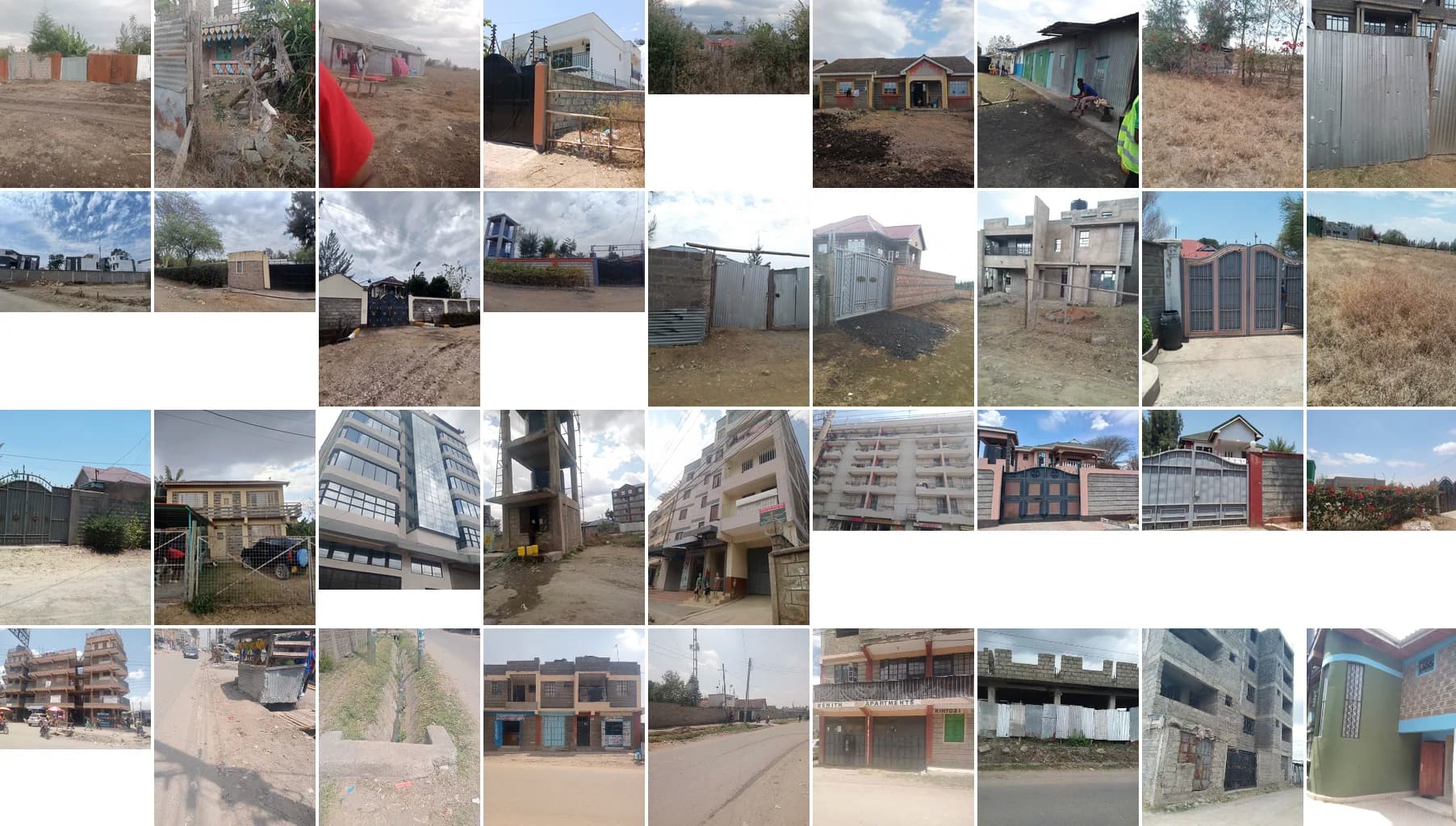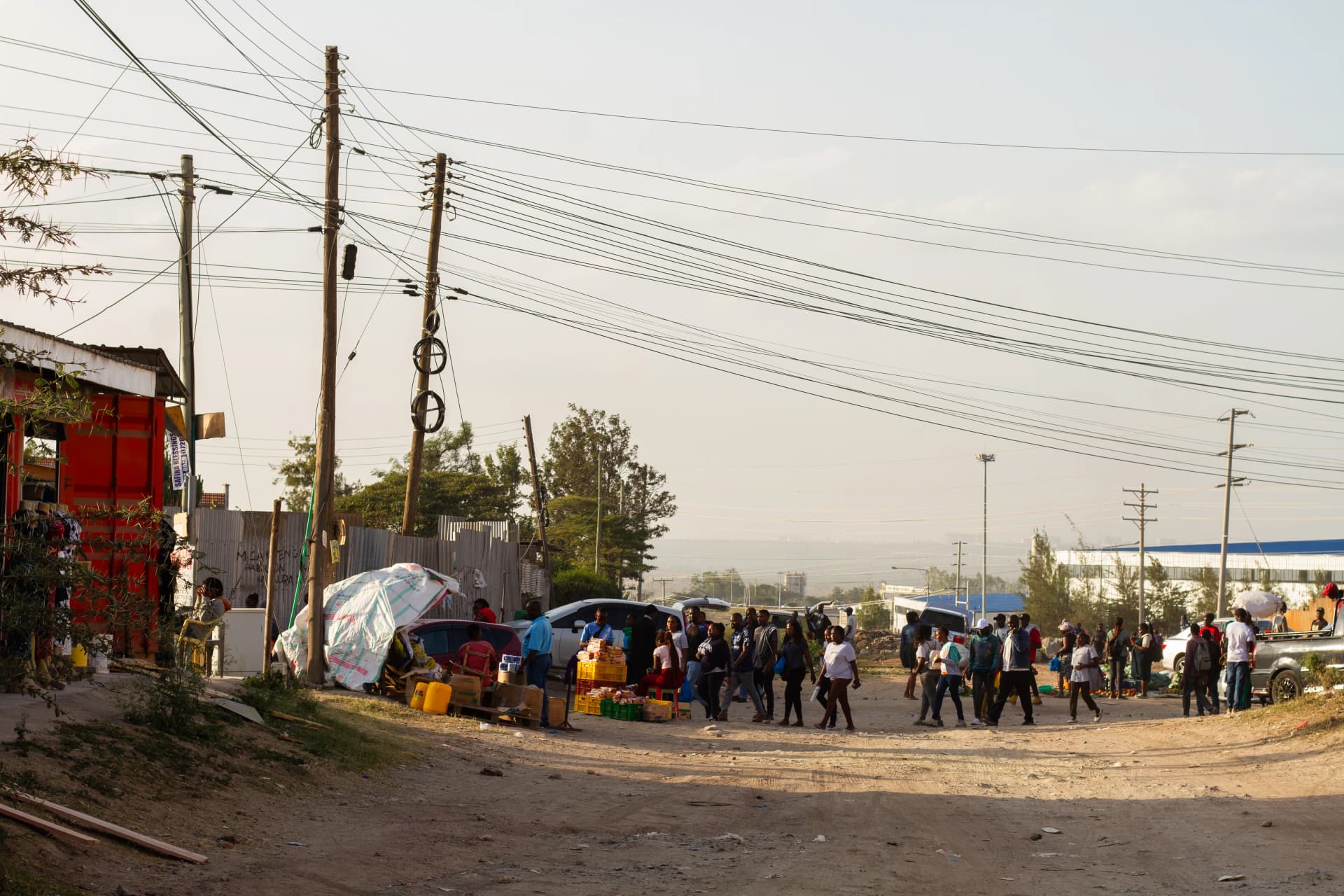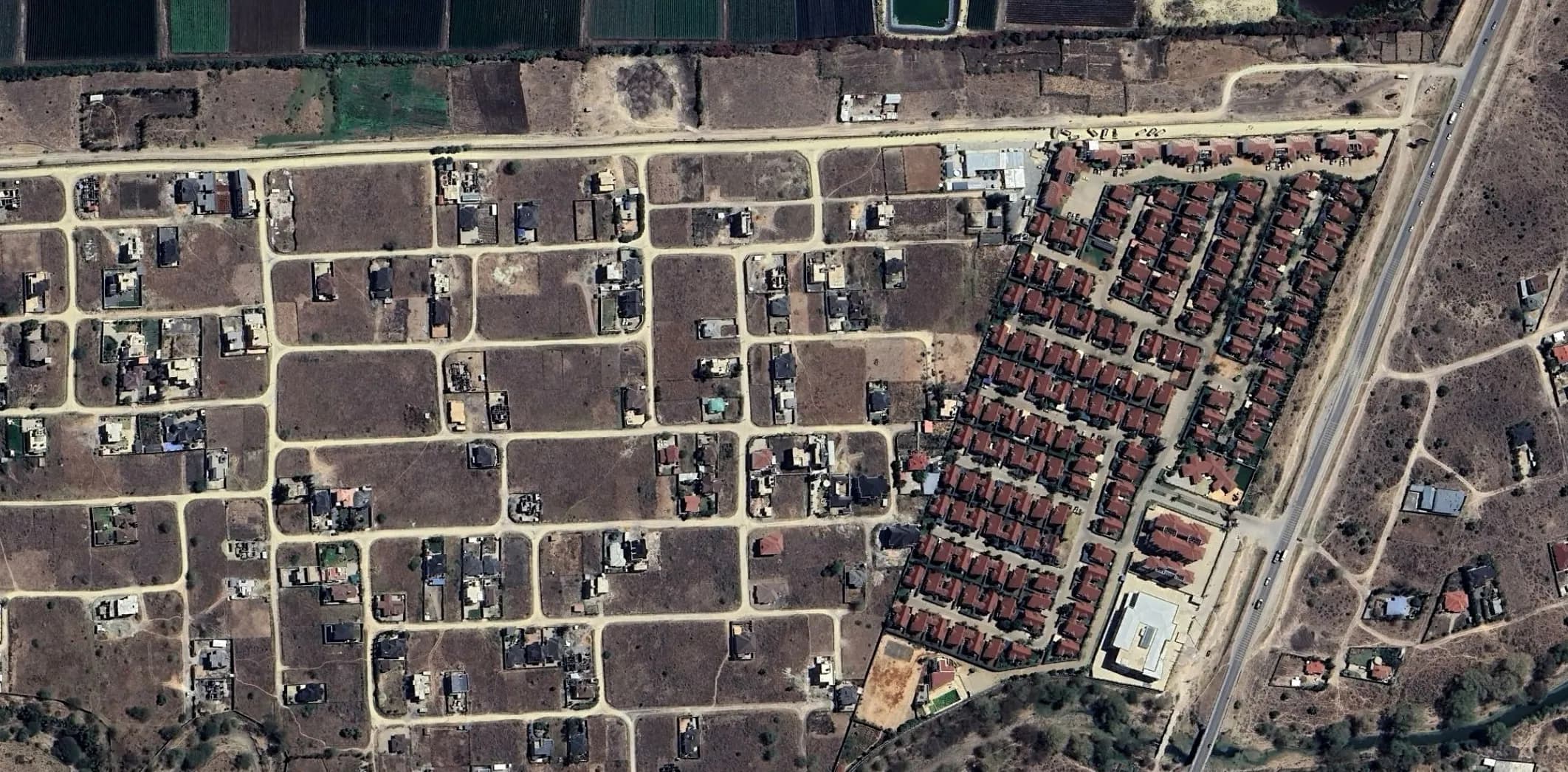
In 2020, 728 million people, more than 56% of the population, live in cities in Africa. Africa is experiencing one of the fastest urban growth rates, which has defied several SDGs over the last decade: the built-up area has almost doubled since 1990 (OECD 2020); 950 million additional inhabitants are expected by 2050. The resulting unprecedented spatial expansion of cities gives rise to hybrid landscapes on land previously used for rural livelihoods deep into the hinterlands, blurring the boundaries between rural and urban.
Urbanisation processes in Africa take specific forms due to population growth and the lack of industrialisation. The impoverishment of the countryside and the attraction of urban life lead to strong urban population growth. Due to space-consuming urbanisation patterns, this growth results in even stronger spatial expansion, at the expense of agriculture, pastureland, or even forests or natural wetlands. Formal and informal peri-urban land markets are exposed to diverse influences: national policies favouring macro-economic growth and integration into international financing circuits, urban demographic pressure, and social changes linked to the schooling of young rural and urban generations and local economic mutations. Poorly regulated, the commodification of land and speculative practices on the margins are taking on a new dimension, now affecting all strata of society. These dynamics enhance competition between unequally endowed actors trying to access available land. They have tremendous impacts on previous inhabitants' livelihoods and the environment.
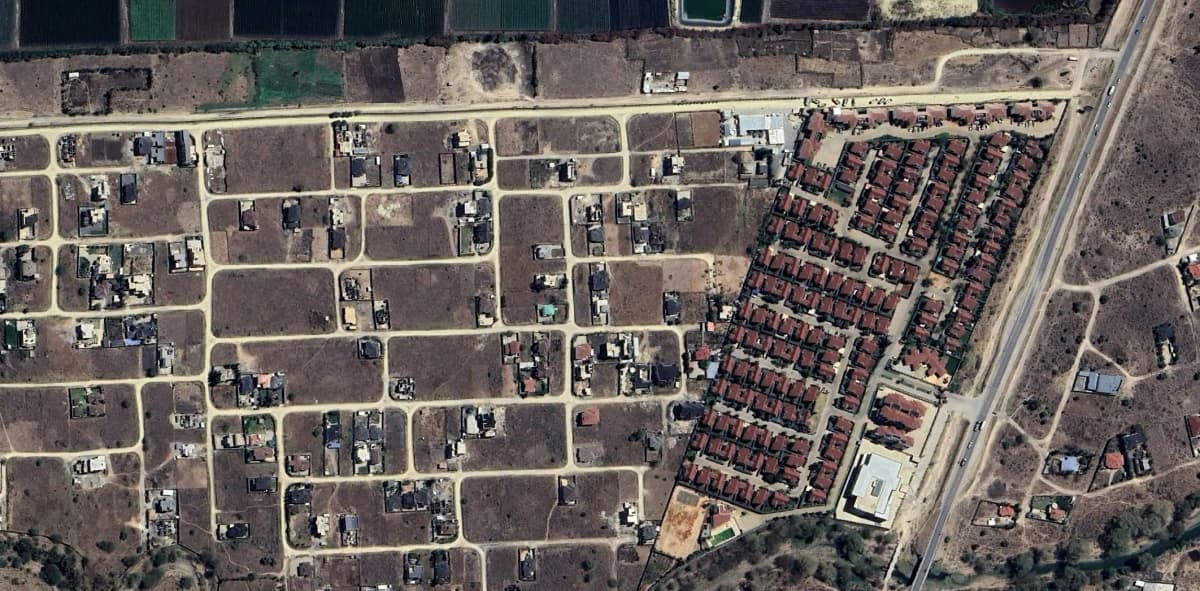
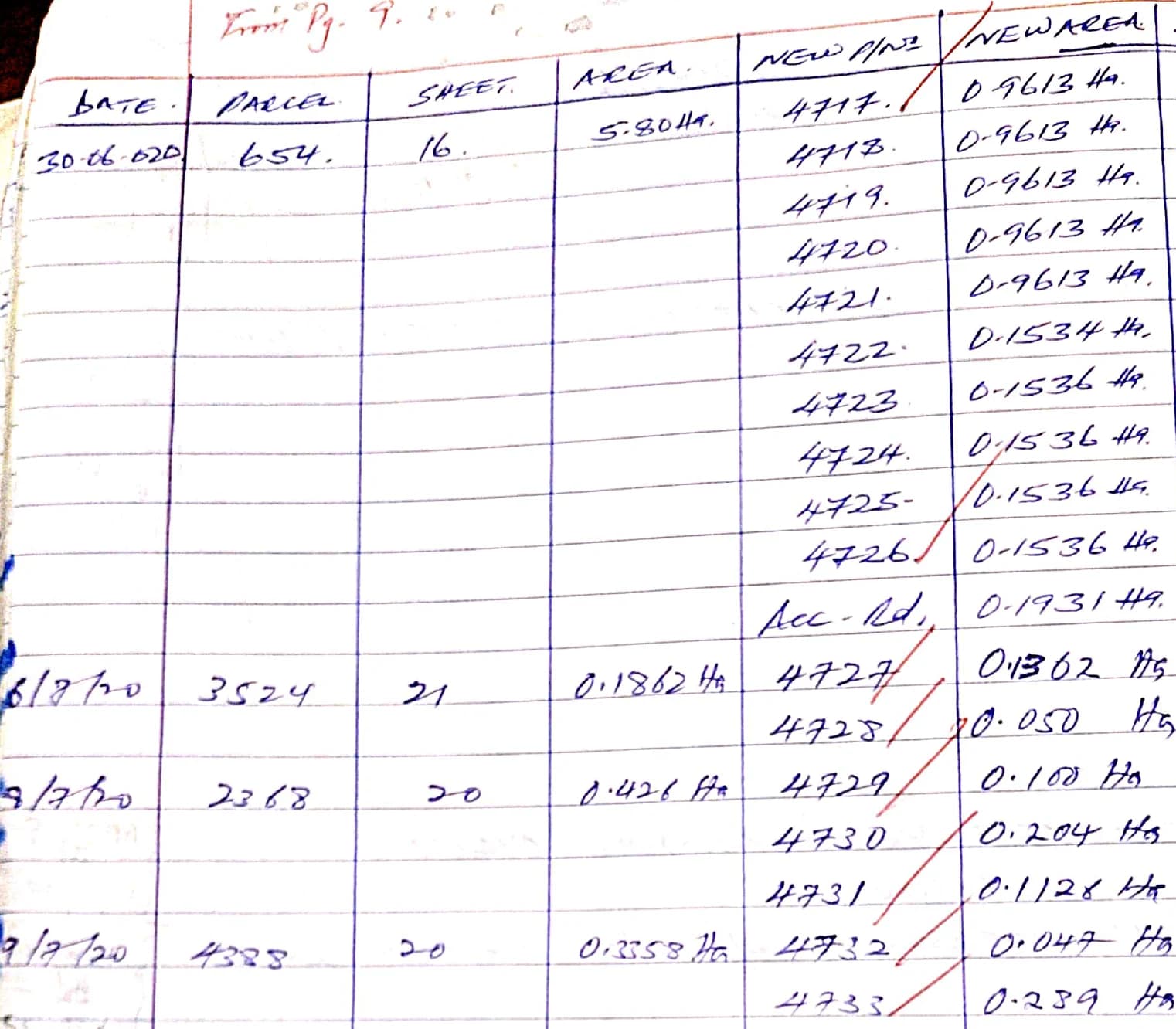
Urban sprawl also takes various spatial configurations. Many houses are built each year by individual owners or private companies, leading to diverse urban forms. Many plots are also taken without immediately translating them into value creation in the form of buildings. Land hoarding is considerable, with plots remaining undeveloped years after their acquisition. Due to its profitability, peri-urban land is a safe investment in contexts of uncertainty and in societies where many individuals are unbanked. Thus, land becomes a reserve and trading currency beyond the expected investment functions.
“Urban sprawl feeds multiple speculations, anticipation strategies and varied real estate profit-sharing.” — METROLAND Project Hypothesis
Current or future urbanisation based on these land processes raises major issues: access to housing, basic services and infrastructure for a growing population; transformation of rural societies and agricultural practices; financial risks; impacts of soil artificialisation on the environment and natural resources. The socio-spatial reconfigurations of rural/urban territories produce specific land access and resource inequalities that create and deepen socio-economic inequalities. These rapid changes and their issues in terms of socio-spatial justice lead to conflicts and social mobilisation that try to challenge them.